
A Study Committee has reported that Climate Change in Kerala will improve coconut prouction by 30%. Also there will be more sardines and mackarels.
The name sardine is derived from the word ” Sardina ” which is an island. Sardines are inexpensive protein. Now ghee sardines or oily sardines are sardines full of oil. You dont need oil to fry them, as they have enough oil. Now there will be more oily sardines on the Western Coast due to Climate Change (which is triggered by Global Warming ).
Due to ocean water becoming hot and favourable sea breezes, oily sardines will be more. Indian mackarels will be more, as the surface ocean becomes hot.
While the entire world is worried about Global Warming and Climate Change, this is good news for Kerala. This report was released by the Environment Committee. Within 20 years, there will be a marked climate change and these are the fresh changes which will be triggered. Kerala coconut production will increase by 30% and sardines will be more during the South West Monsoon season and mackarels will be more during the months in between October and March !
A Study Committee has reported that Climate Change in Kerala will improve coconut prouction by 30%. Also there will be more sardines and mackarels.
The name sardine is derived from the word ” Sardina ” which is an island. Sardines are inexpensive protein. Now ghee sardines or oily sardines are sardines full of oil. You dont need oil to fry them, as they have enough oil. Now there will be more oily sardines on the Western Coast due to Climate Change (which is triggered by Global Warming ).
Due to ocean water becoming hot and favourable sea breezes, oily sardines will be more. Indian mackarels will be more, as the surface ocean becomes hot.
While the entire world is worried about Global Warming and Climate Change, this is good news for Kerala. This report was released by the Environment Committee. Within 20 years, there will be a marked climate change and these are the fresh changes which will be triggered. Kerala coconut production will increase by 30% and sardines will be more during the South West Monsoon season and mackarels will be more during the months in between October and March !
A Study Committee has reported that Climate Change in Kerala will improve coconut prouction by 30%. Also there will be more sardines and mackarels.
The name sardine is derived from the word ” Sardina ” which is an island. Sardines are inexpensive protein. Now ghee sardines or oily sardines are sardines full of oil. You dont need oil to fry them, as they have enough oil. Now there will be more oily sardines on the Western Coast due to Climate Change (which is triggered by Global Warming ).
Due to ocean water becoming hot and favourable sea breezes, oily sardines will be more. Indian mackarels will be more, as the surface ocean becomes hot.
While the entire world is worried about Global Warming and Climate Change, this is good news for Kerala. This report was released by the Environment Committee. Within 20 years, there will be a marked climate change and these are the fresh changes which will be triggered. Kerala coconut production will increase by 30% and sardines will be more during the South West Monsoon season and mackarels will be more during the months in between October and March !
A Study Committee has reported that Climate Change in Kerala will improve coconut prouction by 30%. Also there will be more sardines and mackarels.
The name sardine is derived from the word ” Sardina ” which is an island. Sardines are inexpensive protein. Now ghee sardines or oily sardines are sardines full of oil. You dont need oil to fry them, as they have enough oil. Now there will be more oily sardines on the Western Coast due to Climate Change (which is triggered by Global Warming ).
Due to ocean water becoming hot and favourable sea breezes, oily sardines will be more. Indian mackarels will be more, as the surface ocean becomes hot.
While the entire world is worried about Global Warming and Climate Change, this is good news for Kerala. This report was released by the Environment Committee. Within 20 years, there will be a marked climate change and these are the fresh changes which will be triggered. Kerala coconut production will increase by 30% and sardines will be more during the South West Monsoon season and mackarels will be more during the months in between October and March !

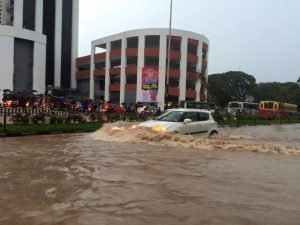
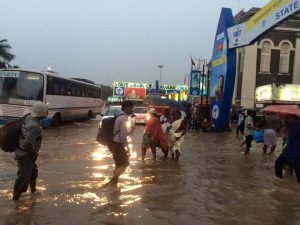
Fierce rains, accompanied by thunder and lightning, was the characteristic of Vishakha Jnattuvela or the Sun’s transit of Beta Librae.
This is Thula Varsha or the North East Retreating Monsoon. Great thunder and lightning at Trichur and I couldnt work on my PC or watch Tv at night.
In Cherpu of Trichur, more than 400 acres of agriculture was destroyed by the rains, the rains of Life and Death.
The Monsoon season in Kerala is about to end and will end with Thrikketa Jnattuvela or the end of the sidereal month of Scorpio. From Sagittarius onwards, it is the hot season and farmers will have to water their lands till the 15th of Edava or Taurus, which heralds the South West Monsoon.
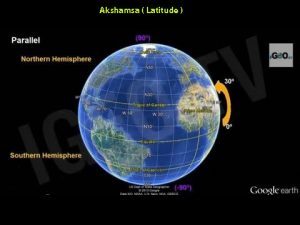
When the Retreating Monsoon ( N E Monsoon ) ends, there is no sigh of relief in this Tropical Zone or Torrid Zone, situated at 10.30 degrees north latitude, as nobody likes the blistering hot season. More than 100 people died due to sunstroke last summer !
Fierce rains, accompanied by thunder and lightning, was the characteristic of Vishakha Jnattuvela or the Sun’s transit of Beta Librae.
This is Thula Varsha or the North East Retreating Monsoon. Great thunder and lightning at Trichur and I couldnt work on my PC or watch Tv at night.
In Cherpu of Trichur, more than 400 acres of agriculture was destroyed by the rains, the rains of Life and Death.
The Monsoon season in Kerala is about to end and will end with Thrikketa Jnattuvela or the end of the sidereal month of Scorpio. From Sagittarius onwards, it is the hot season and farmers will have to water their lands till the 15th of Edava or Taurus, which heralds the South West Monsoon.
When the Retreating Monsoon ( N E Monsoon ) ends, there is no sigh of relief in this Tropical Zone or Torrid Zone, situated at 10.30 degrees north latitude, as nobody likes the blistering hot season. More than 100 people died due to sunstroke last summer !
Fierce rains, accompanied by thunder and lightning, was the characteristic of Vishakha Jnattuvela or the Sun’s transit of Beta Librae.
This is Thula Varsha or the North East Retreating Monsoon. Great thunder and lightning at Trichur and I couldnt work on my PC or watch Tv at night.
In Cherpu of Trichur, more than 400 acres of agriculture was destroyed by the rains, the rains of Life and Death.
The Monsoon season in Kerala is about to end and will end with Thrikketa Jnattuvela or the end of the sidereal month of Scorpio. From Sagittarius onwards, it is the hot season and farmers will have to water their lands till the 15th of Edava or Taurus, which heralds the South West Monsoon.
When the Retreating Monsoon ( N E Monsoon ) ends, there is no sigh of relief in this Tropical Zone or Torrid Zone, situated at 10.30 degrees north latitude, as nobody likes the blistering hot season. More than 100 people died due to sunstroke last summer !
Fierce rains, accompanied by thunder and lightning, was the characteristic of Vishakha Jnattuvela or the Sun’s transit of Beta Librae.
This is Thula Varsha or the North East Retreating Monsoon. Great thunder and lightning at Trichur and I couldnt work on my PC or watch Tv at night.
In Cherpu of Trichur, more than 400 acres of agriculture was destroyed by the rains, the rains of Life and Death.
The Monsoon season in Kerala is about to end and will end with Thrikketa Jnattuvela or the end of the sidereal month of Scorpio. From Sagittarius onwards, it is the hot season and farmers will have to water their lands till the 15th of Edava or Taurus, which heralds the South West Monsoon.
When the Retreating Monsoon ( N E Monsoon ) ends, there is no sigh of relief in this Tropical Zone or Torrid Zone, situated at 10.30 degrees north latitude, as nobody likes the blistering hot season. More than 100 people died due to sunstroke last summer !
Saturn in Virgo has created a draught like situation, even in water rich Kerala. Green Kerala is beautiful because of the heavy rainfalls and looks gorgeous in June/July, when the Rain gods favour her.
It has not rained for the last two days. Rains are expected in the sidereal months of Taurus, Gemini, Cancer and Leo.
Here are the rainfall cycles of Kerala
Edavam – The sidereal month of Taurus, when rains start to come. After 15 th May. When the Sun enters sidereal Taurus
Edava Pathi – The second half of Taurus, after 01 June. Rains are here to stay.
Makiryam Jnattuvela – After 7th May. This period is characterised by fierce rains. When the Sun enters the constellation of Mrigasira.
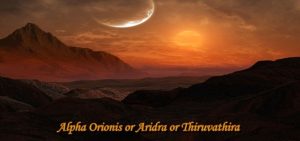
Thiruvathira Jnattuvela – After 22 May, when Sun enters the constellation of Aridra. Rains continous.
Punartham Jnattuvela – Fierce but intermittent rains. When the Sun enters the constellation of Punarvasu.
The Vedic seers gave prime importance to rains. This is indicated by their prayer
May there be plenty of rains and may the earth become fertile.
( Kale Varshe thu parjanya Prithvi Shasya Shalinee ).
Dogmatic Theology and their followers are ignorant of the Laws of Nature. They maintain that the Creator and the Created are totally different. It is the Creator who has become the Created and Nature is He in Manifestation.
Cattle like people , devoid of scientifc and philosophic knowledge, have destroyed the holy groves and paid scant respect to Nature. Their ignorance, bigotry and hatred have destroyed the vast treasures of our race. Mass deforestation has been resorted to by them. ( Another set of dogmatists are responsible for increasing labour charges, which had led to owners abandoning their paddy fields, whch are not now viable. The paddy fields have now become parched and have a desert, semi arid look) . Now they are reaping for their misdeeds as they face a water deficient land !
Kerala lies close to the equator, compared to other Indian provinces. A pleasant and equitable climate characterise this Nature blessed land. This is because of the state’s proximity to the sea and the presence of the fort Western Ghats on the east. Kerala would have been an arid land, if not for the Western Ghats which prevent this wind from entering the land. Kerala used to get copious rain ( almost 3000 mm ) in a year. Earlier the temperature used to range from 28 degrees to 32 degrees ( Now it is 42 degrees ) on the plains and 20 degrees in the highlands. The Highlands of Kerala, tourist attraction centers, enjoy a cool and invigorating climate the year-round.
Now the time is ripe for the South West Monsoon, which begins from the end of May or early June, with the advent of the South West Monsoon Winds. Torrential rain characterise this phase. Being the first state to be hit by the monsoon winds and lying on the windward side of the mighty Western Ghats, Kerala receives immense rains.
85% of the rains received in Kerala are due to the monsoons. Monsoon Tourism will take off from June onwards. The slopes of the Western Ghats are amongst the regions in India which receive great rains. The South West Monsoon in Kerala lasts till the end of September.
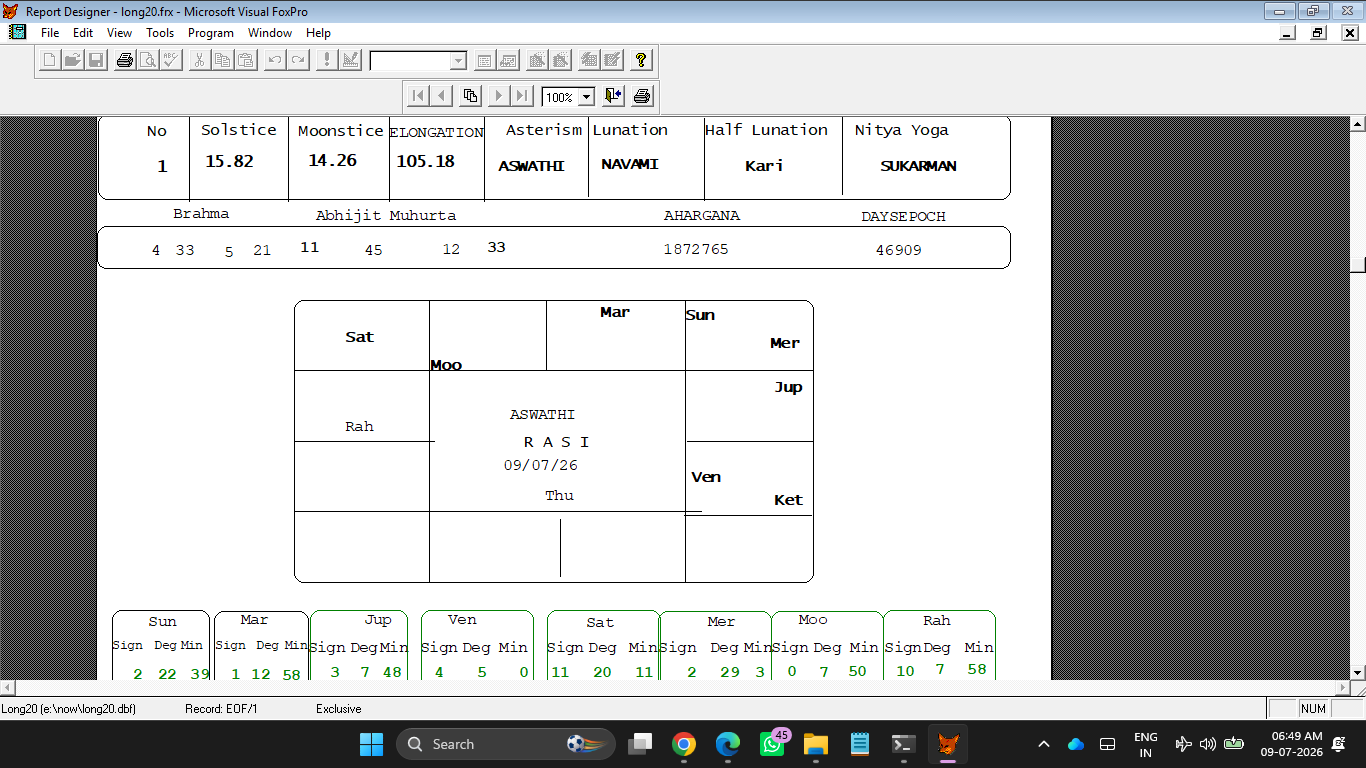
We have said that Vishu 8 or the Sun’s entry into the eighth degree of sidereal Aries, is the time for the farmers to sow.
Vishu or the solar ingress into Aries, is celebrated all over Kerala. This is the dawn of a good era, as it marks the end of the hot seasons of Kumbha ( Aquarius ) and Meena ( Pisces ). Temperature touching 43 degrees is disconcerting. Vishu is the heralder of the two monsoons, the South West and the North East.
The Vedic Calender is astro-meteorological and the farmers know when to sow and when to reap. So the best time to sow is in Medam or Mesha or Aries. Anything planted after this date will fructify, as the Edava Pathi or the South West Moon takes over in June and the Thula Varsham or the North East Monsoon takes over in Oct-Nov.
In traditional farming, plants and trees need watering on alternative days. Now both monsoons ensure that plants and trees will be watered by Nature !. Hence the green landscape engineering done by Nature makes Kerala beauteous !
When the Sun reaches its maximum declination at 23 degrees 27 mins South, at the Tropic of Capricorn, ( the end of Dakshinayana ), the Indian Ocearn becomes hot & the northern places of the Indian subcontinent becomes cool. Cool winds ondense to form clouds, pick up moisture laden winds from the Bay of Bengal, sweeping down on the Himalayas and the Indo Gangetic plains and pouring over peninsular India. Kerala also gets these rains and hence the South West Monsoon which ends in September is replaced by the North East Monsoon and this rainy season or watering by Nature continues till Dhanus, the 15th of December ! Hence the tourists find Kerala enchanting, because of the greeen landscape architecture effectuated by Mother Nature !
India is an agrarian economy, dependent heavily on the monsoons. In 1895, the rains never came and India experienced drought and famine. The monsoons can also be destructive. Trees are uprooted, cables smashed, houses destroyed as a result of poor infrastructure. In 2008, our paddy fields were flooded due to heavy rains and the nearby inhabitants had to be evacuated. Despite its potential for destruction, monsoons are generally welcomed, as it liberate the natives from the blistering heat of Kumbha (Aquarius ) and Meena ( Pisces ).
Vishu marks the beginning of Vasanta Rithu, the first of the six seasons.
Farmers in Kerala say that
the seeds sown on Aswathi Jnattuvela ( the Sun’s transit of the first 13 degrees of Aries ) and mango seeds sown on Bharani Jnattuvela ( the Suns’s transit of the constellation of Bharani )
will fructify.
The best time for planting cocounut trees is on Patham Udayam, the Tenth Rising of the Sun, when Sun enters the tenth degree of Aries.
So Vishu is an agricultural festival, based on the Wisdom of the Heavens and not a religious festival !
Article by G Kumar, astrologer, writer & programmer of www.eastrovedica.com
He has 25 years psychic research experience in the esoteric arts. He gives free tips at www.eastrovedica.net and stock market investment advice can be got at www.stockmarketastrology.com