 zodiacastro1@gmail.com Ph
93885 56053 7C Shaktan Manor Apts S T Nagar Trichur 680001, We
recommend some useful Credit Cards which can give good benefits. The
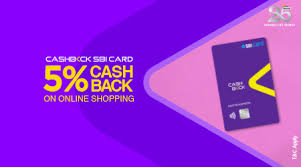
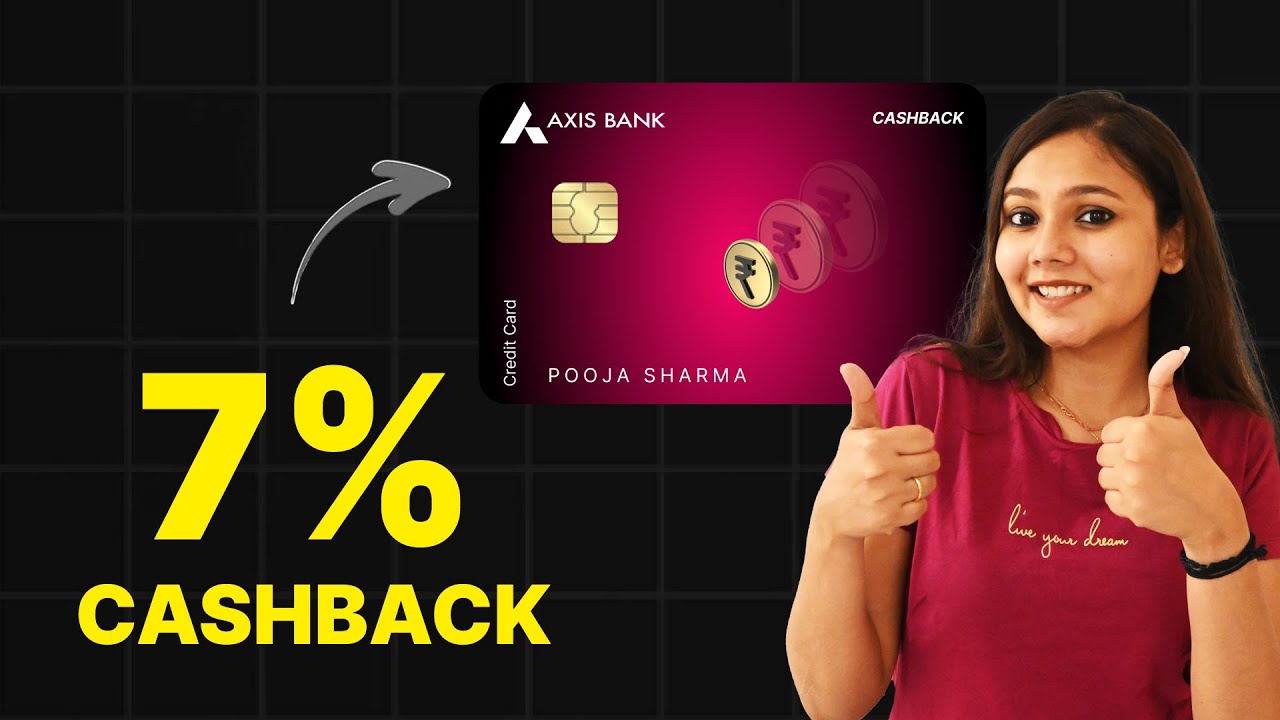
Numero Uno is the Cashback SBI Card, with 5% Cashback on Online Spend and 1% on
offline Spend. See, 6% of your Total Spend is credited to your Ac as Cashback.
zodiacastro1@gmail.com Ph
93885 56053 7C Shaktan Manor Apts S T Nagar Trichur 680001, We
recommend some useful Credit Cards which can give good benefits. The
Numero Uno is the Cashback SBI Card, with 5% Cashback on Online Spend and 1% on
offline Spend. See, 6% of your Total Spend is credited to your Ac as Cashback.
Hindu Astrology Consultancy & Software




J
Article Title: Introduction to Pay Per Click (PPC) Advertising
Author: Jatupol Tanaruthai
Category: Pay Per Click, Search Engine Marketing, Site Promotion
Word Count: 650
Keywords:
Author's Email Address: articles1@globlet.com
Article Source: http://www.articlemarketer.com
There are many ways to advertise online, but one of the most popular strategies
is pay-per-click advertising. Why is it popular? Well, they always say "you
get what you pay for", but when it comes to pay-per-click advertising, you
only pay for what you get, and thus it saves you from spending too much on
unfruitful advertisements.
Pay per click advertisements are usually text ads (usually consisting of a
title, which usually is your website's name or perhaps a short heading and a
short description of your service or some promotional wording) placed near
search results shown on major search engines. When a site visitor clicks on your
advertisement, you get charged an amount of money which varies according to the
ad placement and ranking.
What's more, you can set the maximum price you are willing to pay per one click
received. Actually, this is the first step in putting together a PPC campaign -
to decide your budget, and with whom you are going to advertise. Most major
search engines offer PPC advertising services (Google AdWords, Microsoft
adCenter and Yahoo! Search Marketing, for example) but keep in mind that since
they have excellent market coverage and tend to offer a lot of assisting tools
and options to their users, they also are costly in terms of the amount of
expenses to acquire a top ranking based on a specific keyword or group of
keywords.
Once you have selected your preferred search engine(s), you should create your
ads and do not forget to put in the keywords you wish to have your ad appear
under. After that, register for the service with the search engine you have
chosen in order to open an account.
Now comes the interesting process - the bidding. When you first register your
keywords with the search engine you have selected, you have to also specify the
maximum amount you are willing to bid for those keywords. The price of a keyword
can range anywhere from 1 cent to more than $10. There is sometimes fierce
competition for specific keywords depending upon its popularity as a search term
and the search engine itself.
The highest bidder for a specific keyword will be ranked first in the
pay-per-click results, the second-highest bidder will be ranked second, and so
on. PPC search engines usually restrict the number of pay-per-click ads on a
results page to less than 10 because if there are more than that, some ads might
not get noticed at all.
You wouldn't want to invest on non-performing keywords, so a very important
point to keep in mind is you must test, test, and test some more until you are
certain that your keywords work. Once you have a list of keywords you want,
start small to be on the safe side. Take off with the minimum and monitor the
performance in terms of the traffic it delivers and how well that traffic
converts into paying customers. That is another advantage of this type of
advertisement - you can monitor the performance of your ads by using the
tracking tools offered by search engines.
Another highlight is, you can target your customers based on their geographic
locations. Geographic targetting of pay per click advertisements has been
improving rapidly, and for local businesses this could be a very cost effective
marketing strategy.
One problem with this type of advertisement is click fraud. Wikipedia explains
that click fraud occurs when a person, automated script, or computer program
poses as a legitimate user of a web browser clicking on an ad, for the purpose
of generating an improper charge per click. Each time a valid web user clicks on
an ad, the advertiser pays the advertising network, who in turn pays the
publisher (search engine) a share of this money. This revenue sharing system is
seen as an incentive for click fraud. The pay-per-click industry is lobbying for
tighter laws on the issue.
Jatupol Tanaruthai is CEO of Globlet Co., Ltd., a search engine marketing
company based in Bangkok, Thailand. Vist company's website at http://www.globlet.com