Article Title:
The Power Of Sharing
Author: Kevin Sinclair
Category: Networking, Inspirational/
Motivational
Word Count: 1211
Keywords: giving, giving to receive, sharing, business success,
business ideas
Author's Email Address: kevin@ksinclair.
com
Article Source: http://www.articlem
arketer.com
It has been said that "If you give, you shall receive".
This saying is often used to refer to giving of your time, your
effort, your money or other material things before you can reasonably
expect to receive any of these things from others. All of these things
can be very valuable, but one of the most powerful things to share,
and also one of the easiest, is thoughts and ideas.
When we consider sharing something, we often think of this as parting
with something. Share some of your money and you will no longer be
able to spend it yourself. Share some chocolate and whoever you share
it with gets to taste this delicious substance, not you. At least you
won't taste all of it. Sharing, in these cases, means parting with. It
means you give something away that you will no longer benefit from
directly. This is not the case with thoughts and ideas.
When you share a thought or a good idea that doesn't mean you lose it.
It doesn't even mean there is any less left for you. As a matter of
fact, quite the opposite is true. You can truly be enriched by the
thoughts and ideas you share with other people. Share some wisdom with
someone else and now two can benefit from it. Even though there was no
cost involved for you in sharing it, to the person on the receiving
end it could represent a huge value.
Unfortunately we often try to keep things for ourselves in order to
keep a competitive advantage. To 'keep the edge' so to speak. This is
understandable and can sometimes be a good strategy. Certain
information can be extremely valuable and if it really gives you this
'edge' then keeping it to yourself may be the smart thing to do. In
reality however most of us don't possess any information that really
offers sustainable advantage over others.
The truth is that the real advantage in this day and age, with the
Internet at everybody's fingertips, is no longer in any single piece
of information. The people that have been most successful have done so
by combining ideas and concepts into combinations that others haven't
thought of. From this perspective not sharing your ideas may actually
rob you of many opportunities and as such cost you a great deal.
In business, as well as in personal life, breakthroughs often come
from a combination of ideas. Rarely is one man's creative idea
completely fabricated by his own mind. The tossing back and forth of
ideas and concepts usually plays a critical role in the development of
new ideas. In discussing the potential application of a certain
technology with a customer, this customer can come up with ideas that
you would have never thought of.
After all it's the customer's business and he probably knows more
about it than you do. Especially when you're talking to an
entrepreneurial type of individual. Most entrepreneurs are always
looking for new opportunities to improve their bottom line and expand
their business. Now why would he share his ideas with you if you
haven't shared anything with him? Good question. You could of course
turn the situation around; why share anything with him if he hasn't
shared anything with you?
Although this may be a fair question, it isn't really relevant. After
all this is exactly the deadlock situation that hampers so much
creativity. Of course there is always a risk of someone running off
with one of your ideas. So it wouldn't be a bad idea to protect your
idea or at least a part of it. You could for instance leave out some
details that aren't necessary to paint the big picture but would
surely be critical in bringing the idea to fruition.
The human brain makes connections based on our frame of reference.
Since every persons frame of reference is unique it's possible for a
group of 1000 individuals to listen to one and the same speech, talk
or idea and yet, have all of them interpret it differently. As a
matter of fact, this is not just possible, it will inevitably be the
case.
Since no two persons share the exact same background, body of
knowledge and life experiences. These differences in interpretations
could therefore lead to very different concepts and ideas a person
could come up with. That is where one of the most powerful aspects of
sharing comes into play. Your ideas may spark a new idea in someone
else that you would never have thought of by yourself, which in turn
sparks another idea in you that they would never have thought of by
themselves. Of course this doesn't have to be a conscious sharing of
ideas.
New Page 1
Most of the time it will happen without you actually being aware of
it. A thought will come up that you think is your own when in fact it
was initially put their by someone else. In your quest for ideas your
mind dug up this idea and perhaps linked it to some other fragments in
your memory banks that, put together, formed a new breakthrough idea.
Even though this is mostly unconscious, it's still a good strategy to
share more ideas on a consistent basis. Think of it like this; every
time you share something a number of things happen. For starters, you
deposit something into someone else's memory bank. You never know what
this little piece of information, this concept will do for the person
you share it with.
Perhaps it does nothing for them but it eventually does for someone
else they share it with. This person may or may not share something
with you in return. But there is a universal law that states that:
"If you give out, something is coming back". The law doesn't
say that it's coming back on Thursday morning at 10.00, when you might
need it the most. It just says "It's coming back".
In many cases when you share something, that person will feel
obligated to share something with you. Perhaps right away, perhaps a
month from now. Not necessarily out of obligation, but out of human
nature. This is the law of reciprocity at work.
Whenever they share something with you, that concept will be stored
inside your head. Perhaps you may not see an immediate use for it. In
many cases you probably never will. However you never know when and in
what situation their idea may turn out to be useful. Perhaps in
combination with some other ideas that have yet to be shared with you
by other people.
But guess what? If you don't share your thoughts with them, they may
not share theirs with you. And because you didn't share you missed out
on that one little idea that you needed to put everything in its
place. Who knows how much you will miss out on because of that? It's
safe to say that not sharing could cost you infinitely more than
keeping it all to yourself would ever earn you. And that is just too
much of a price to pay. So whenever you have the opportunity to share
some worthwhile thoughts with another person, do so. It may work
wonders, for you and them, and it won't cost a thing.
Kevin Sinclair is the publisher and editor of Be Successful News, a
site that provides information and articles on how to succeed in your
own home or small business. http://www.besucces
sfulnews.
com
 zodiacastro1@gmail.com Ph
93885 56053 7C Shaktan Manor Apts S T Nagar Trichur 680001, We
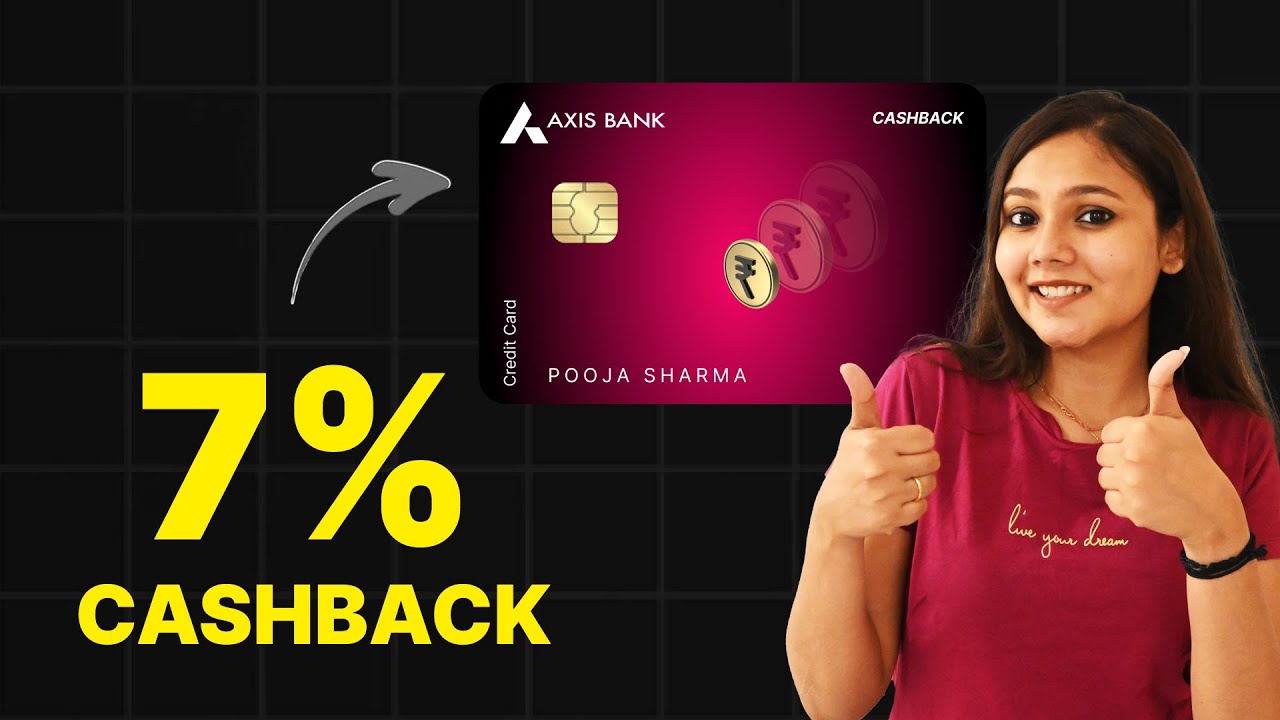
recommend some useful Credit Cards which can give good benefits. The
Numero Uno is the Cashback SBI Card, with 5% Cashback on Online Spend and 1% on
offline Spend. See, 6% of your Total Spend is credited to your Ac as Cashback.
zodiacastro1@gmail.com Ph
93885 56053 7C Shaktan Manor Apts S T Nagar Trichur 680001, We
recommend some useful Credit Cards which can give good benefits. The
Numero Uno is the Cashback SBI Card, with 5% Cashback on Online Spend and 1% on
offline Spend. See, 6% of your Total Spend is credited to your Ac as Cashback.