Positive Cashflow!
|
|
Positive Cashflow!
| ||
Article Title: Positive Cashflow!
Author: Max Ng
Category: Personal Finance, Wealth Building
Word Count: 762
Keywords: robert kiyosaki, postive cashflow, financial freedom,
passive income
Author's Email Address: wood128@singnet.
Article Source: http://www.articlem
Having a positive cash flow is an essential step in gaining
financial freedom. I did not realize it at first. It was only
after I have read the Rich Dad's series by Robert Kiyosaki that I
have realized the importance of maintaining a regular cash flow
and expenses that does not exceed it. I have to ensure that this
positive cash flow not only comes consistently, it should be
increasing.
Basically, there is two ways to increase the positive cash flow.
The first way is to earn more and maintain the existing
expenditure. The second way is to reduce wastage. Usually, a
combination of both methods can be used to achieve a better
positive cash flow.
For example, I am currently earning $3000 per month. My monthly
expenditure is $2500. Since my income is more than my expenditure,
I am deemed to have a positive cash flow of $500. If I want to
increase my cash using the first method, I can take up another
part time job or assignment to earn an extra $500 per month. As a
result, my positive cash flow has increase from $500 to $1000.
If I am using the second method, then I will be examine my
existing list of expenses to identify which ones are unnecessary
or redundant and do away with them. In other words, I am reducing
wastage in my existing expenditure.
For example, I am currently subscribing to a particular magazine.
I wanted to read the magazine but I never seem to have time to
read it. So the weekly issues of the magazine just keep piling up
untouched. That is I am wasting my subscription fee altogether.
When it is time for renewal of subscription, I should simply stop
the subscription altogether and save the money. However if I am
not aware of my wastage, I will simply renew the subscription
thinking that I will find time to read the magazine.
My expenses can be classified into fixed and variable. As its name
implies, fixed expenses are those that I have to consistently pay
every month like my loans and mortgages. My variable expenses are
expenses that are not consistent, like entertainment, food,
vacation, clothes and such. Wastage is usually found in the
variable expenses.
Reducing wastage is quite different from bad spending habit. Bad
spending habit is a habit of spending on unnecessary things even
though I am aware of it.
For example, when I see a shop that is on sale, I will go and
spend money simply because there is a sale. I know that these
products or services are not necessary but I do not care because I
cannot control my urge to spend. I simply have a habit of spending
on seeing a sale sign.
By reducing wastage or increase income, I will be able to gain
more positive cash flow. Yes, I can invest my excessive cash due
to positive cash flow in assets that generate passive income as
learned from the Rich Dad's series by Robert Kiyosaki. But before
I do any investment, it is important that a few fundamental things
are handled first.
Firstly, I will save the excess cash as emergency funds. Based on
my understanding of personal financial planning, I should have an
emergency fund equivalent to 3 to 6 months of my monthly
expenditure. In case of any emergency that cause me to lose my
income, I can still survive based on my emergency cash for 3 to 6
months. In the meantime, I can look for an alternative source of
income.
Secondly, I will use the money to insure myself again risks.
Insurances such as life insurance, personal accident insurance,
medical insurance and so on should be used to manage the risk of
great financial losses due to unforeseen circumstances.
For examples, if I have an accident and I do not have any personal
accidental insurance, then I may end up paying a heavy sum of
medical fees due to injuries. If I become sick and I do not have
any medical insurance to cover me, I will end up paying a large
amount of medical fees.
When the above two things are done, then I will consider
investment provided that I do not have any existing liability. If
there is any existing liability, then I will need to judge whether
it is wiser to pay off my liability first or use the money for
investment. As a thumb of rule, if I cannot guarantee the rate of
return for my investments is more than the loan repayment interest
amount, then I will be better off by paying for my debts.
Max Ng helps people who desire success to learn from his mistakes
and realizations by sharing his personal struggle for success at http://www.richdads



.png)
Hindu Astrology
Consultancy &  zodiacastro1@gmail.com
Ph 93885 56053 7C Shaktan Manor Apts S T Nagar Trichur 680001,
zodiacastro1@gmail.com
Ph 93885 56053 7C Shaktan Manor Apts S T Nagar Trichur 680001,
C R E D I T C A R D B O O M - CAPITALISE
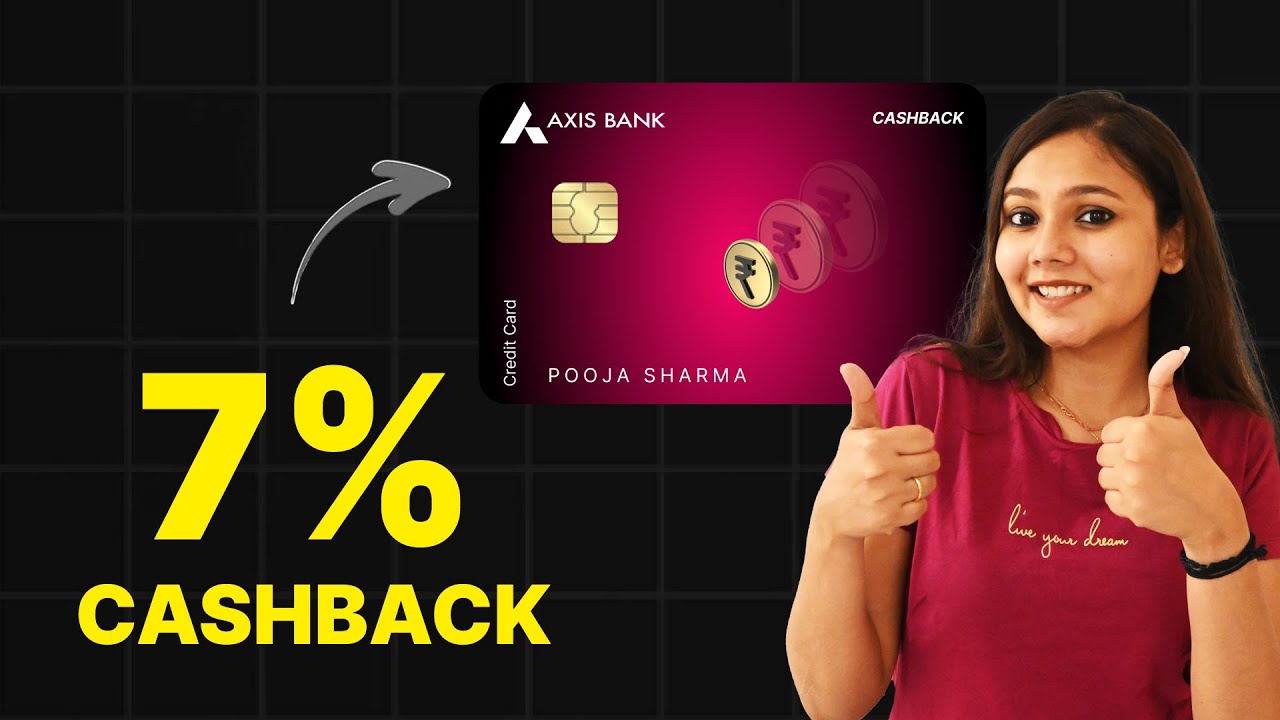
We recommend some useful Credit Cards which can give good benefits. The Numero Uno is the Cashback SBI Card, with 5% Cashback on Online Spend and 1% on offline Spend. See, 6% of your Total Spend is credited to your Ac as Cashback.In India, there are 114 million Credit Cards. Just 8% of population. Anybody can guess the potential in a digitalising economy. Digital India !

The Celestial Site highlights Sciences of the Absolute and Time, amongst 18 Sciences, under Guidance Divine, a recommender of top qualities in the terrestrial or celestial planes with ARTICLES - TERRESTRIAL & TRANSCENDENTAL - Site - https://www.eastrovedica.com