A Basic Introduction to Blogging
Copyright © 2006 Mal Keenan
Web logging first appeared on the net in the mid-1990s. The term “web
log” was initially coined refer to a server’s log file and then expanded
to include the meaning of online personal journaling. Later on, to avoid
confusion, the word “blog” was adopted to refer to personal journaling.
Today a blog is defined as an online publication where an author puts his or
her personal thoughts and opinions from the most intimate to corporate ideas,
concerns or events, in chronological order on the net.
Although, there are as many kinds of blogs on line as there are people, most
of these will roughly fall into these kind of bloggers: Personal Bloggers (the
original use of blogging), then there are the organizational and business
Bloggers.
Organizational blogs are meant to facilitate communications between its
internal and external audiences. It may also provide information for the
external publics’ use.
Business blogs promote products or services for profit. They also increase
awareness about the company, as well as establish itself as an authority with
customers, vendors, through publications that demonstrate their expertise in
the market.



What are the kinds of contents that readers can find in a blog that’s for distribution? The authors’ ideas, opinions, expertise in his/her field of work, resumes, and home recipes, pictures, streaming audio or video clips, e-books, poetry, works, products, services and consultations.
Why have blogs become very popular compared to websites or email? Most websites are infrequently updated, while blogs have instant publishing tools which permit the author to regularly update & introduce new content. Although both have great content, websites are usually impersonal in informing their audience. While blogs allow the readers to leave their comments and feedback, to hold two-conversations with the author, who usually does the publishing and can immediately respond to his/her readers.
The blogs’ abilities to reach and immediately react to an expanding mass of audience have made businesses and marketers use these as a strategic marketing tool. Additionally blogs are very efficient, cheap to use and can quickly distribute information.
However, before you decide to jump on the blogging bandwagon, take time to find out what are your objectives for creating your own blog. Is it a personal, organizational or business blog? This will help you decide on what your blog will contain, where you’d place it and what publishing tools you’ll be using.
For more information on blogging and other aspects of Internet Marketing and Home Business visit Mal Keenan's personal blog: http://www.home-business-tips-newsletter.com/blog/






Hindu Astrology Consultancy & Software zodiacastro1@gmail.com Ph 93885 56053 7C Shaktan Manor Apts S T Nagar Trichur 680001
C R E D I T C A R D B O O M - CAPITALISE
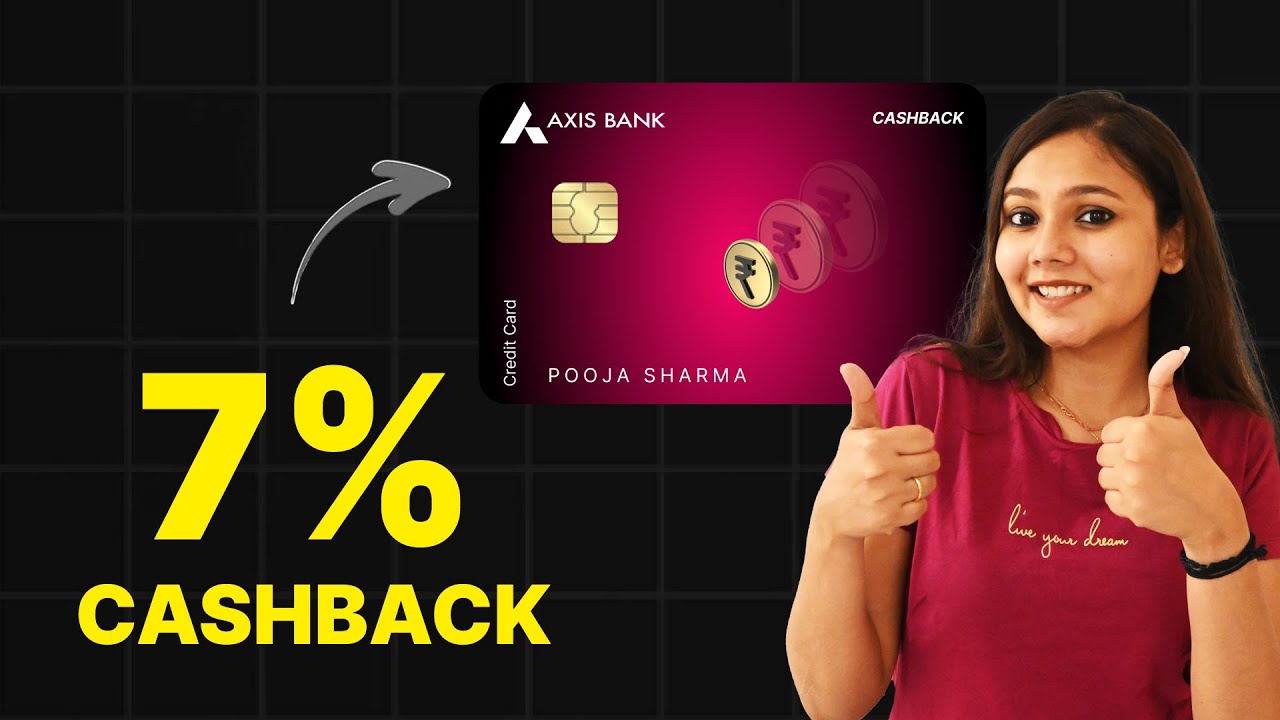
We recommend some useful Credit Cards which can give good benefits. The Numero Uno is the Cashback SBI Card, with 5% Cashback on Online Spend and 1% on offline Spend. See, 6% of your Total Spend is credited to your Ac as Cashback.In India, there are 114 million Credit Cards. Just 8% of population. Anybody can guess the potential in a digitalising economy. Digital India !
Welcome to eAstroVedica
The Celestial Site highlighting Sciences of the Absolute and Time, amongst 18 Sciences, under Guidance Divine, a recommender of top qualities in the terrestrial
or celestial planes with ARTICLES - TERRESTRIAL & TRANSCENDENTAL - Site - https://www.eastrovedica.com